What to Do After a Sports-Related Dental Injury
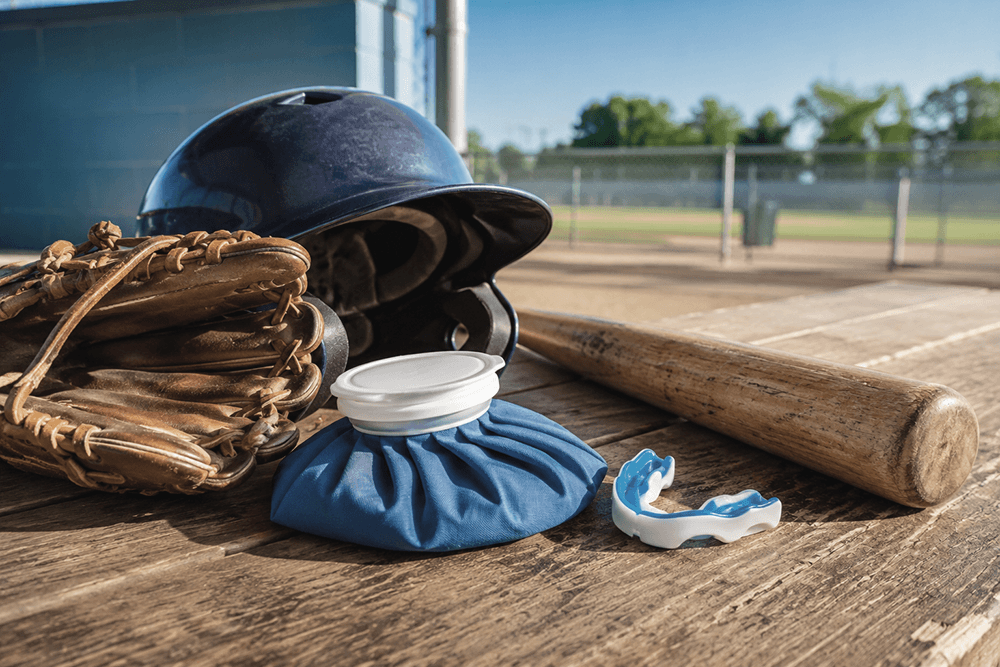
Summer is a busy season for baseball, softball, soccer, lacrosse, cycling, skateboarding, and countless backyard games. While most injuries involve scraped knees and bruises, a blow to the mouth can have lasting consequences if it isn’t treated promptly.
Knowing what to do in the first few minutes after a dental injury can make a significant difference—sometimes even saving a tooth.
A Knocked-Out Tooth Is a True Dental Emergency
If a permanent tooth has been knocked out, act quickly. Handle the tooth only by the chewing surface—not the root—to avoid damaging delicate cells needed for healing. If it’s dirty, rinse it briefly with clean water without scrubbing it. If you can safely reposition it in the socket, do so. Otherwise, keep it moist in milk or a tooth-preservation solution and seek emergency dental care immediately. The chances of saving the tooth are greatest when treatment begins as soon as possible.
According to the American Academy of Pediatrics, prompt treatment offers the best chance of successfully saving a knocked-out permanent tooth.
Important: Do not attempt to reinsert a baby tooth. Contact your dentist or oral surgeon for guidance instead.
Don’t Ignore Chipped or Broken Teeth
A chipped tooth may not seem urgent, especially if there’s little pain. However, even small fractures can expose the inner layers of the tooth or create pathways for infection.
If part of a tooth breaks:
- Rinse your mouth with water.
- Save any broken pieces if you can.
- Apply a cold compress to reduce swelling.
- Schedule an evaluation as soon as possible.
Prompt treatment often allows for more conservative repairs.
Watch for Jaw Injuries
Not every sports injury involves the teeth.
A hard impact to the face can result in:
- Difficulty opening or closing the mouth
- Changes in the way your teeth fit together
- Pain near the ear or jaw joint
- Swelling or bruising along the jawline
These symptoms may indicate an injury to the jaw or temporomandibular joint (TMJ) and should be evaluated promptly.
Keep a Small Dental Emergency Kit
Parents, coaches, and athletes often carry first aid supplies for cuts and sprains, but few think about dental emergencies.
A simple kit might include:
- Sterile gauze
- A small clean container with a lid
- Saline solution
- The phone number for your dentist or oral surgeon
Having a plan before an injury occurs can reduce stress and help you respond quickly.
Prevention Still Matters
While accidents can’t always be avoided, many sports-related dental injuries can. Properly fitted mouthguards remain one of the most effective ways to reduce the risk of injuries to the teeth, lips, and jaws during athletic activities. The American Academy of Pediatric Dentistry recommends mouthguards for participants in a wide variety of organized and recreational sports.
We’re Here When You Need Us
Whether it’s a chipped tooth, a knocked-out tooth, or a facial injury sustained during sports, prompt evaluation is the best way to protect your oral health. If you or your child experiences a dental injury this summer, don’t wait to seek care. Early treatment can often make all the difference.
The information provided on this website should not be used to diagnose or treat any medical condition and is not meant to take the place of professional medical advice. If you think you have a medical problem, please seek the advice of a physician. Call 911 for all medical emergencies.