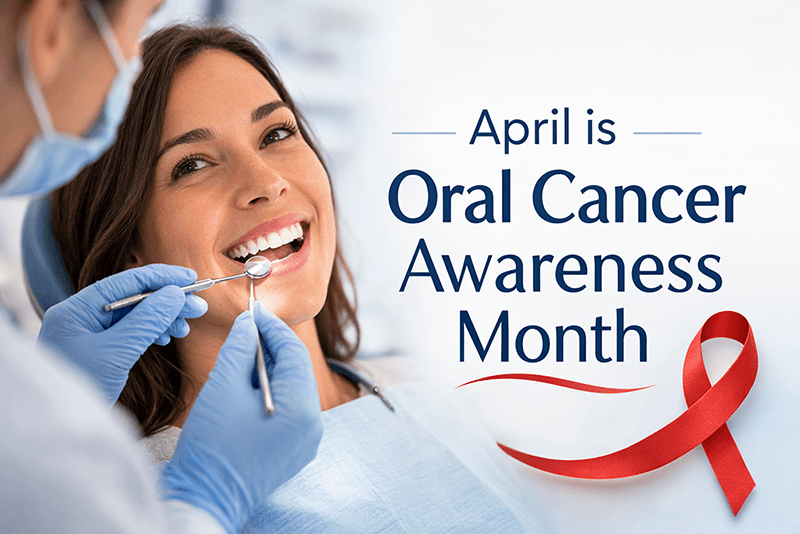
Oral cancer is a condition that affects the mouth, lips, tongue, throat, and surrounding tissues. While it is not discussed as often as other cancers, early detection can make a significant difference in treatment outcomes. Taking a few minutes to understand the signs and risk factors can help patients know when to seek evaluation.
Why Awareness Matters
According to the American Cancer Society, tens of thousands of people in the United States are diagnosed with cancers of the oral cavity or oropharynx each year. Like many cancers, outcomes improve significantly when the condition is detected early and treated promptly.
Oral surgeons, dentists, and physicians all play an important role in recognizing early changes that may need further evaluation.
Common Signs and Symptoms
Many early signs of oral cancer can resemble minor oral health issues. However, symptoms that persist for more than two weeks should be examined by a dental or medical professional.
Possible warning signs include:
- A sore in the mouth that does not heal
- Red or white patches inside the mouth
- Persistent mouth or throat pain
- Difficulty chewing or swallowing
- A lump or thickening in the cheek or neck
- Numbness in the tongue or other areas of the mouth
- Changes in voice or persistent hoarseness
- A feeling that something is caught in the throat
These symptoms do not always indicate cancer, but they should be evaluated if they persist.
Risk Factors
Several factors can increase the likelihood of developing oral cancer, including:
- Tobacco use (smoking or smokeless tobacco)
- Heavy alcohol consumption
- Human papillomavirus (HPV) infection
- Excessive sun exposure to the lips
- Age, particularly over 40
- A history of previous oral cancers
Maintaining overall oral health and minimizing these risk factors can help reduce risk.
The Importance of Regular Check-Ups
Routine dental and oral health examinations provide an opportunity for early detection. During these visits, providers examine the mouth, tongue, throat, and surrounding tissues for abnormalities that may require further evaluation.
Early diagnosis can allow treatment to begin sooner and may lead to better outcomes.
When to Seek Evaluation
If you notice any persistent changes in your mouth—such as sores, lumps, or unusual patches—it’s important to schedule an examination. Most concerns turn out to be benign, but a professional evaluation ensures that any serious conditions are identified as early as possible.
A Simple Step Toward Prevention
Oral cancer awareness encourages patients to stay informed, maintain regular dental visits, and pay attention to changes in their oral health. These simple steps can help support early detection and long-term health.
If you have concerns about symptoms or changes in your mouth, our team is available to provide evaluation and guidance.
Learn more about our dental services and schedule your consultation today. All of our surgeons at Oral and Facial Surgery are board-certified by the American Board of Oral and Maxillofacial Surgery and, with locations in Hagerstown, Maryland and Chambersburg, you’re sure to find an office nearby. Call us in Maryland at 301-791-1700 or 717-264-7828 in Pennsylvania. We look forward to answering your questions!
The information provided on this website should not be used to diagnose or treat any medical condition and is not meant to take the place of professional medical advice. If you think you have a medical problem, please seek the advice of a physician. Call 911 for all medical emergencies.