The American Dental Association has designated February as National Children’s Dental Health Month. Here are a few tips on taking care of your child’s teeth from the National Center on Early Childhood Health and Wellness:
You Can Promote Good Dental Health By:
- Knowing how to make sure you and your family have healthy mouths and teeth
- Helping your children learn good mouth and teeth habits
Why Is It Important?
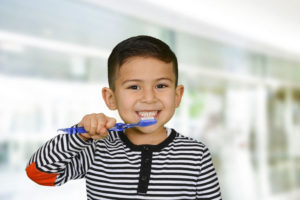
When Children Have a Healthy Mouth, They:
- Can speak clearly
- Can eat healthy foods
- Feel good about themselves
Good Dental Health Also Means:
- Healthy growth and development
- Being able to focus and learn
- A pain-free mouth
- Lower dental care costs for your family
Things You Can Do to Help Your Child
- Brush your child’s teeth with fluoride toothpaste twice a day.
- If your child is younger than 3 years, brush with a smear of fluoride toothpaste.
- If your child is age 3 to 6 years, brush with a pea sized amount of fluoride toothpaste.
- Young children will want to brush their own teeth, but they need help until their hand skills are better.
- Brush children’s teeth or help children brush their teeth until they are about 7 or 8 years old.
- Be a role model for oral health! Brush your teeth with fluoride toothpaste twice a day (in the morning and at bedtime) and floss once a day.
- Serve healthy meals and snacks like fruits, vegetables, low-fat milk and milk products, whole-grain products, meat, fish, chicken, eggs, and beans.
- Limit the number of snacks your child has in a day.
- Do not give your child food for rewards.
- Take your child to the dentist for a check up by her first birthday and keep taking her.
- If your child has not gone to the dentist take him.
- Ask your dentist what you can do to keep your mouth and your child’s mouth healthy.
- Make sure to go to the dentist as often as your dentist would like you to go.
- Let your child care, Early Head Start, or Head Start program know if you need help or have questions about oral health.
This fact sheet provides tips to help families ensure that their children’s oral health begins in infancy: Download the PDF.
Do you have a question about your child’s dental health or the services we offer at Oral and Facial Surgery? Please feel free to contact us here.